I recently returned from a trip to Hong Kong 香港* where I was living for over a month as I completed some term papers and began my winter break from school in Beijing 北京. Staying in the city for an extended period of time, rather than just touring around for a couple days, allowed me to briefly experience what it’s like to actually live there instead of just spending my time in tourist traps. As a result, this piece will be part travel log and part commentary on my experiences of life in Hong Kong 香港.
As an American, when we hear the name “Hong Kong 香港” there’s a certain captivating image that seizes our imagination: a city packed with glistening skyscrapers adorned in neon lights; cutesy memorabilia of the British Empire like double-decker buses and Union Jacks; and an unrivaled international hub of food, culture, and business. I was no exception to this fascination with the city, at once finding myself both awestruck and overwhelmed by its sheer density of people, sounds, and experiences, even when compared to a mainland metropolis like Beijing 北京 which boasts three times as many people.
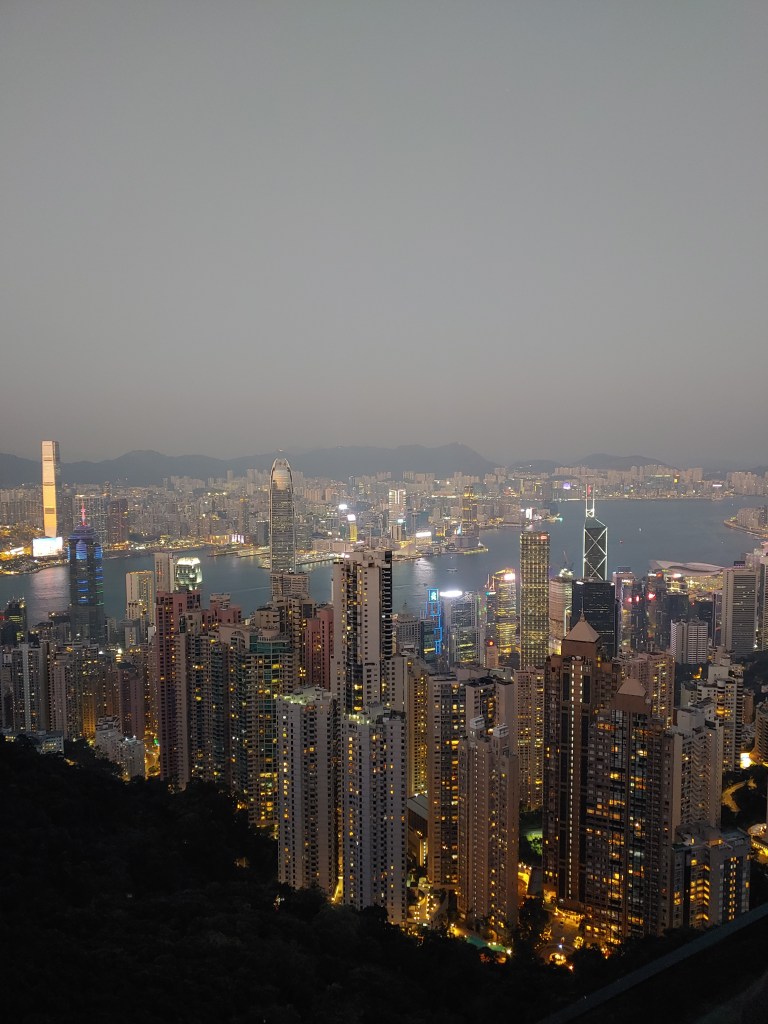
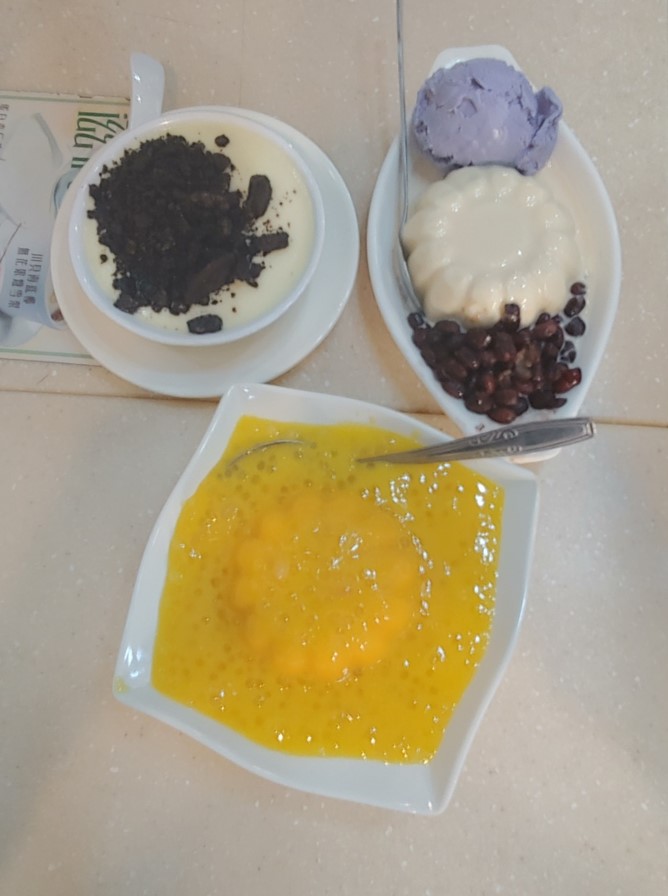
During my first couple days in the city, I mostly spent my time trying out local Cantonese food 广东菜 with a friend from the area, acclimating to the breakneck speed of life there, and walking the streets to get a feel for the place where I’d be spending the next month or so.

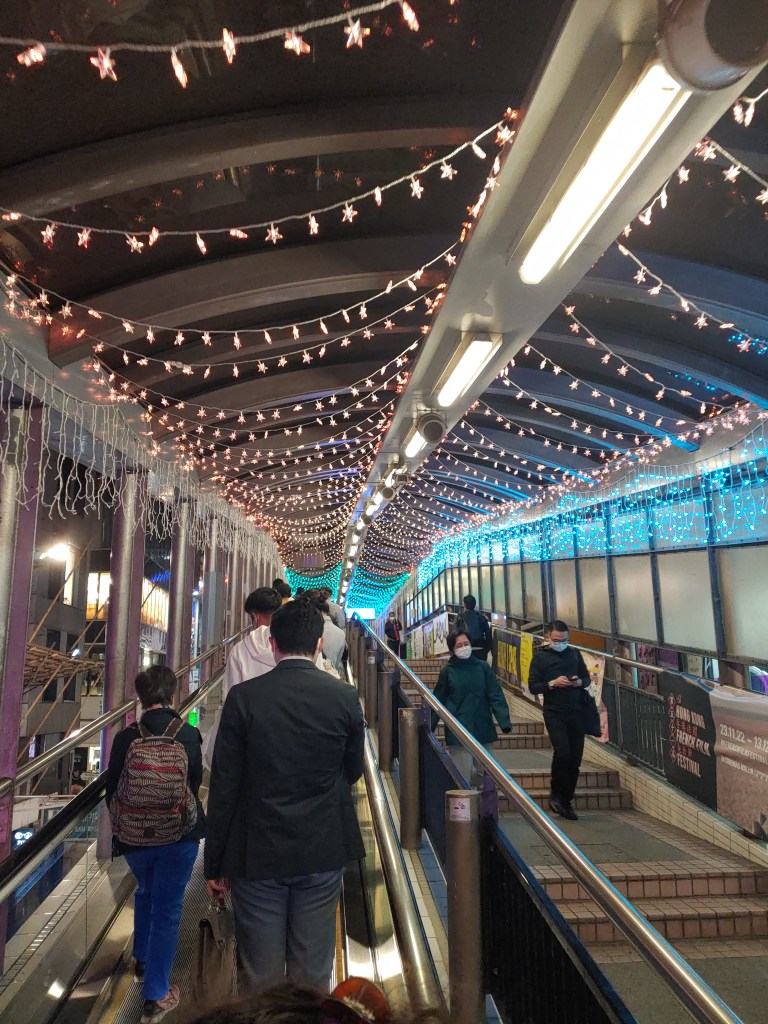
Speaking of walking, it was quite a shock to my American brain to experience just how easily walkable Hong Kong 香港 is thanks to the combination of its incredibly dense urban design and exceptionally efficient public transit system. Unlike the car-centric design philosophy that puts Americans at the mercy of crosswalks and courteous drivers, pedestrians in Hong Kong 香港 can make use of a network of interconnected skybridges and underground tunnels (which they call subways) that avoid traffic altogether and practically constitute an entirely separate layer of the city. Built into this network is the world’s longest open-air escalator in the Central 中环 district, which ferries around 85,000 passengers every day up some of the steepest terrain in Hong Kong Island 香港岛, with convenient entrances and exits along the nearby streets.
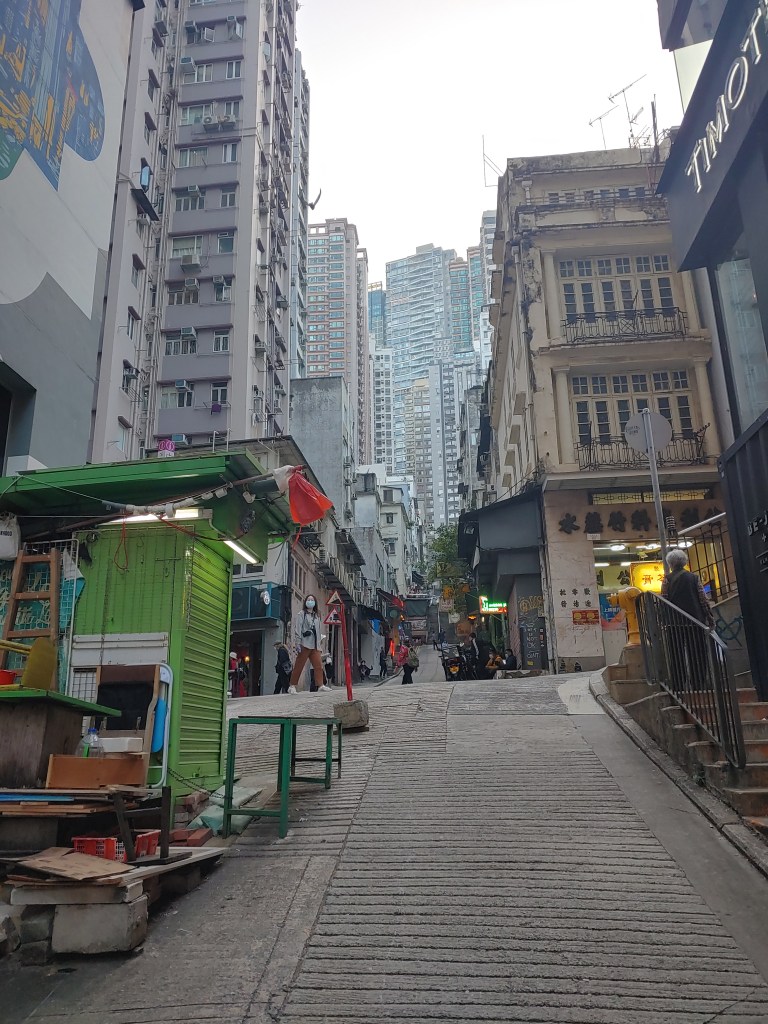
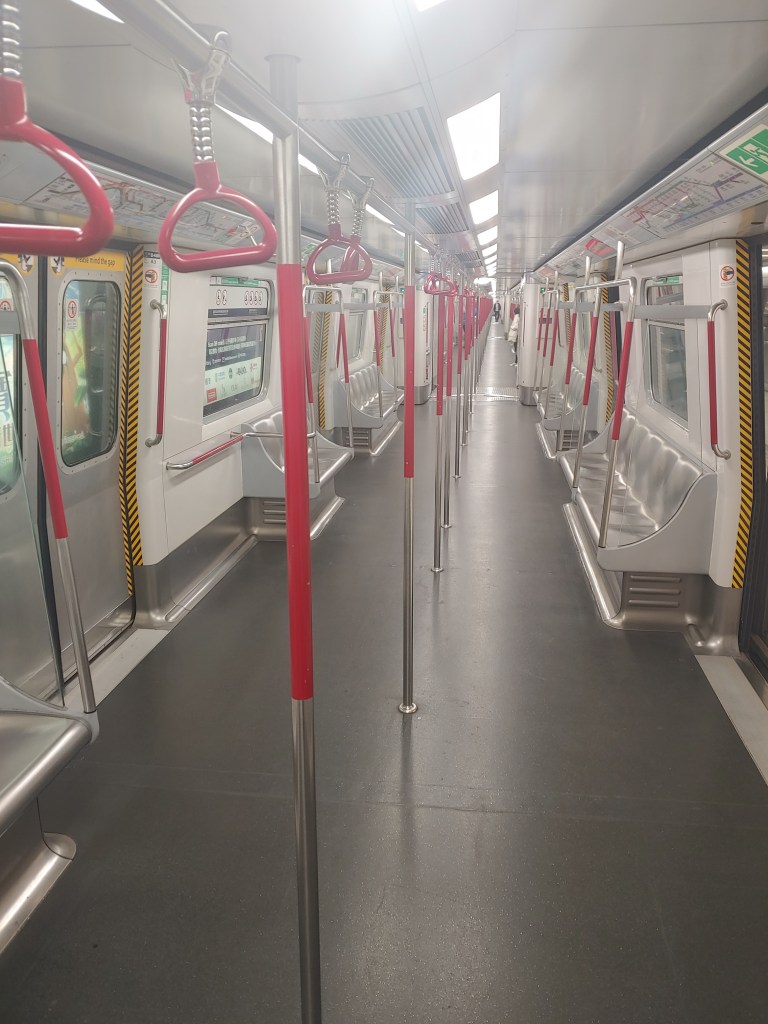
Don’t feel like walking? Hong Kong’s Mass Transit Railway system (the “MTR” 港铁) links the entire region together with conveniently placed stops at every major neighborhood, street, or attraction you could think of, and the plethora of minibuses, trolleys, and British inspired double-deckers can get you just about anywhere else.
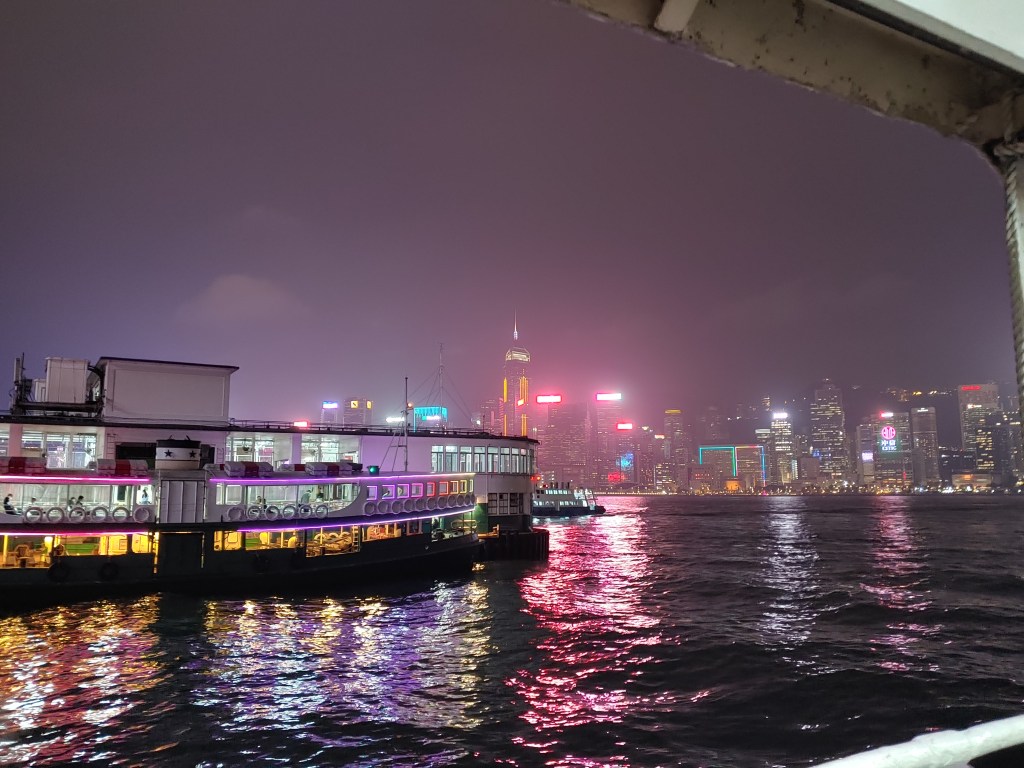
No less impressive are the ferry lines, such as the famous Star Ferry 天星小轮, that have crisscrossed Victoria Harbor 维多利亚港 for over a century to connect Hong Kong Island 香港岛 in the south with the Kowloon 九龙 Peninsula and the Chinese mainland 中国内地 in the north, allowing travelers to marvel the harbor’s strong azure waves and take in the invigorating sea air, providing an experience unmatched by either the MTR 港铁 or aboveground transit networks. And lest you think the ferries trade speed for atmosphere, rest assured that you can expect one to dock within 10 minutes like clockwork, thanks to an ingenious design that allows them to be steered from the front or back and eliminates the need to turn the ship around before departure.
Thanks to this unique blend of pedestrian friendly infrastructure and seamlessly integrated public transport across land and water, owning a car in Hong Kong 香港 is completely unnecessary unless you live far out in the New Territories 新界 close to the Chinese border, and even these less densely populated areas are seeing more MTR 港铁 and bus lines added regularly as development spills over from more developed Kowloon 九龙. However, that isn’t to say that the region is entirely car free – far from it actually. During my short time there, I saw more BMWs, Audis, Telsas, and Mercedes Benzes than I have in my entire life, typically being driven by the high-earning financiers working in one of the city’s multinational banks like HSBC 汇丰银行, Standard Chartered, UBS and many more. In fact, the financial services sector comprises well over 20% of Hong Kong’s GDP, contributes 7.5% of its total employment, has built a stock market that is the 4th largest in Asia and the 7th largest globally, and quite literally shapes the city itself through the skyscrapers that cut a commanding figure across its skyline.
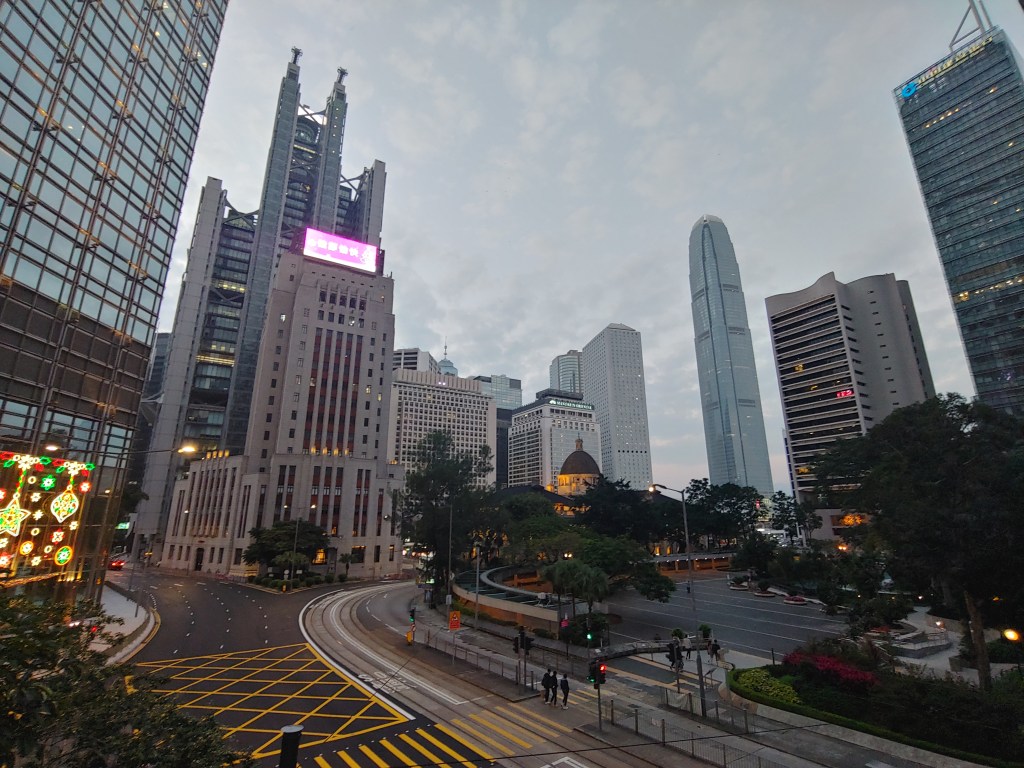
This surplus of financiers and similar highly paid professionals also explains why Hong Kong 香港 accounts for between 5% to 10% of global sales for luxury consumer goods like Cartier, Hermes, and Tiffany, providing an outlet for the profligate spending habits of wealthy natives, mainland Chinese, and expatriates. Consequently, it was around the time that I started noticing this overabundance of extravagance and wealth that I also began to recognize the darker side of Hong Kong 香港 that’s typically hidden beneath the glistening neon lights and fast-paced living that so enthralls too many visitors.

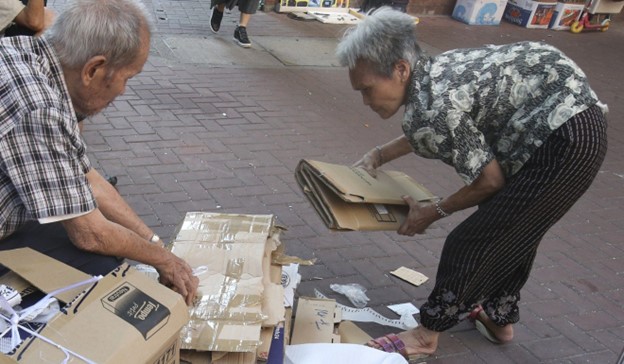
Despite its impressive economic strength relative to its size, 1 in 5 Hongkongers 香港人 live in poverty according to the most recent government data, a fact I witnessed clearly on a regular basis when I saw the city’s “cardboard grannies” 纸板奶奶 scavenging the streets for anything they could sell to make ends meet. Numbers give an idea of the issue, but it’s not until you witness the surreal sight of a woman that could be your grandmother slaving away to find salvage next to a Versace store that you realize how dystopian life can be in the most “economically free” place in the world. Indeed, it’s often the elderly and vulnerable Hongkongers 香港人 who end up being the victims of the region’s hypercapitalist policies, with those 65 and older registering a shocking 45% poverty rate that often forces many of them into its infamous “cage homes” 籠屋 and subdivided flats. No wonder, considering that Hong Kong 香港 holds the dishonorable title as the most unaffordable housing market on the planet.
In the eyes of the same market fundamentalists that tout the city’s “economic freedom,” the housing crisis is a nature-induced problem of supply and demand resulting from millions of people searching for homes in a very small space, and the solution is for the government to just let the market work and make it easier for developers to build more homes to satisfy the demand. However, the reality of the situation is far more complex. Make no mistake, Hong Kong 香港 is an incredibly densely populated area, but anyone flying into the city will notice immediately that there is no shortage of land to build on, and even highly mountainous territory like that around Victoria Peak 太平山 is dotted with luxurious colonial villas for the few rather than affordable housing for the many. So then, why don’t the government and property developers just increase the stock of available housing and thus lower housing costs by building on this ready supply available if somewhat difficult terrain?
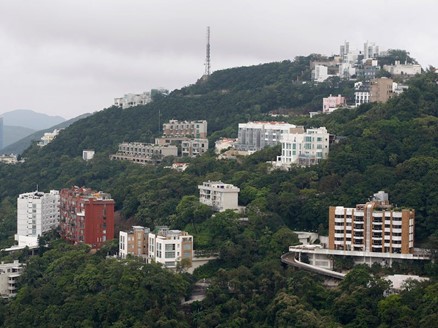
Well, although the Hong Kong government 香港政府 maintains astonishingly low tax rates on corporations and wealthy individuals making it “economically free”, it still has to generate revenue from somewhere to carry out its basic functions, and it does that by owning all of the land in the region and holding exclusive rights to lease it. Currently only 7% of all land in the territory is classified as residential while 70% remains undeveloped, meaning that all the rest of that land cannot legally be used to build housing even though it would have immense social benefits.
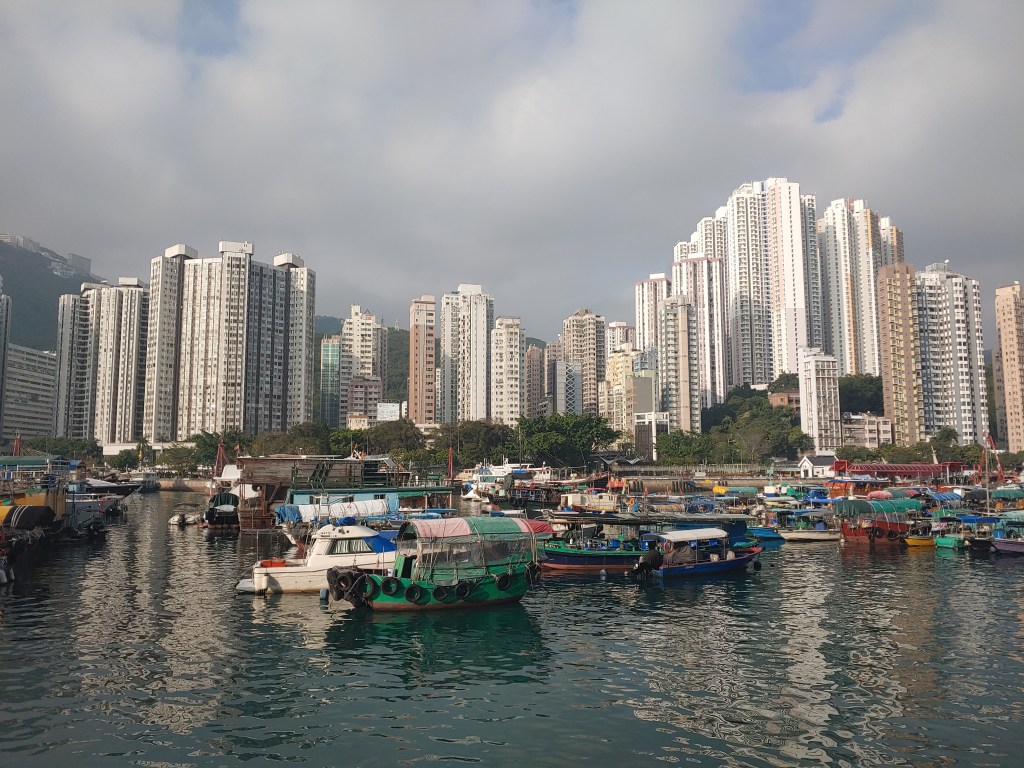
By artificially limiting the supply of housing this way, the government is able to ensure a reliable source of operating revenue (as high as 26% of total receipts in 2018) while developers are glad to pass on the inflated costs to a captive market of renters and make out like bandits along the way.
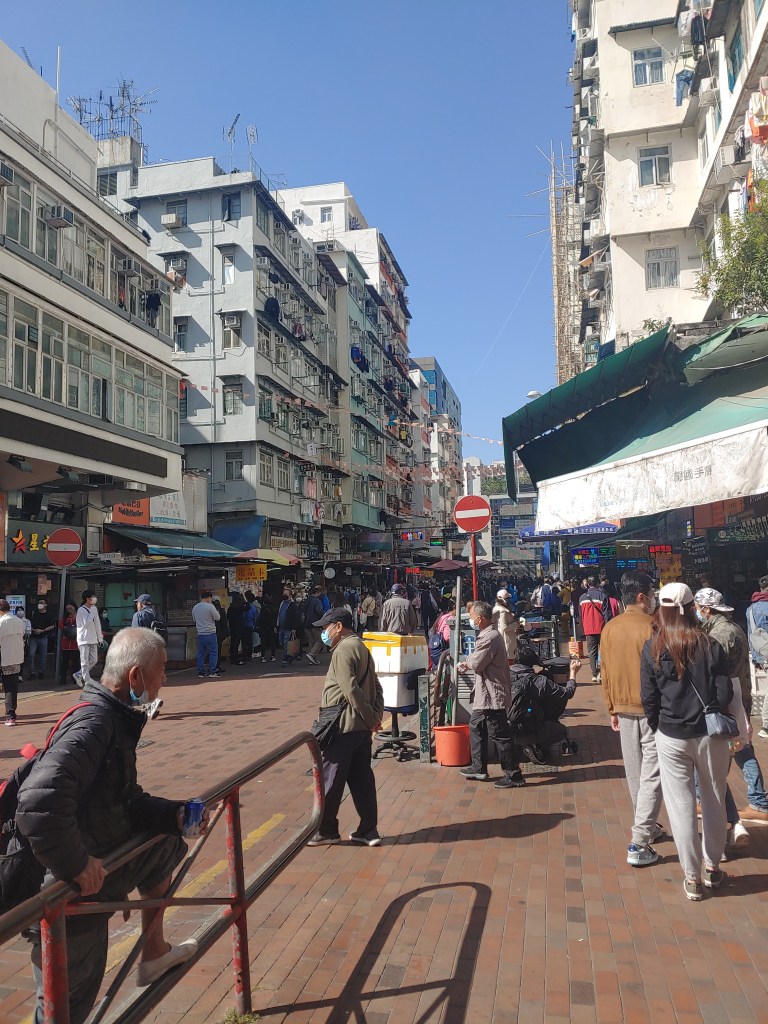
I’m sure market fundamentalists would decry this sick state of affairs as “crony capitalism,” but this naïve outlook fails to acknowledge the fundamental fact that such behavior is the natural result of rational profit-seeking firms prioritizing their bottom line in a system where housing is treated as a commodity for speculation rather than a basic human need. It’s also the inevitable result of a governance model wherein banks, property developers, and other industry groups have direct representation and authority over the policy making process via “functional constituencies,” the closest thing to a hypercapitalist cyberpunk dystopia that exists in our world – for now at least.
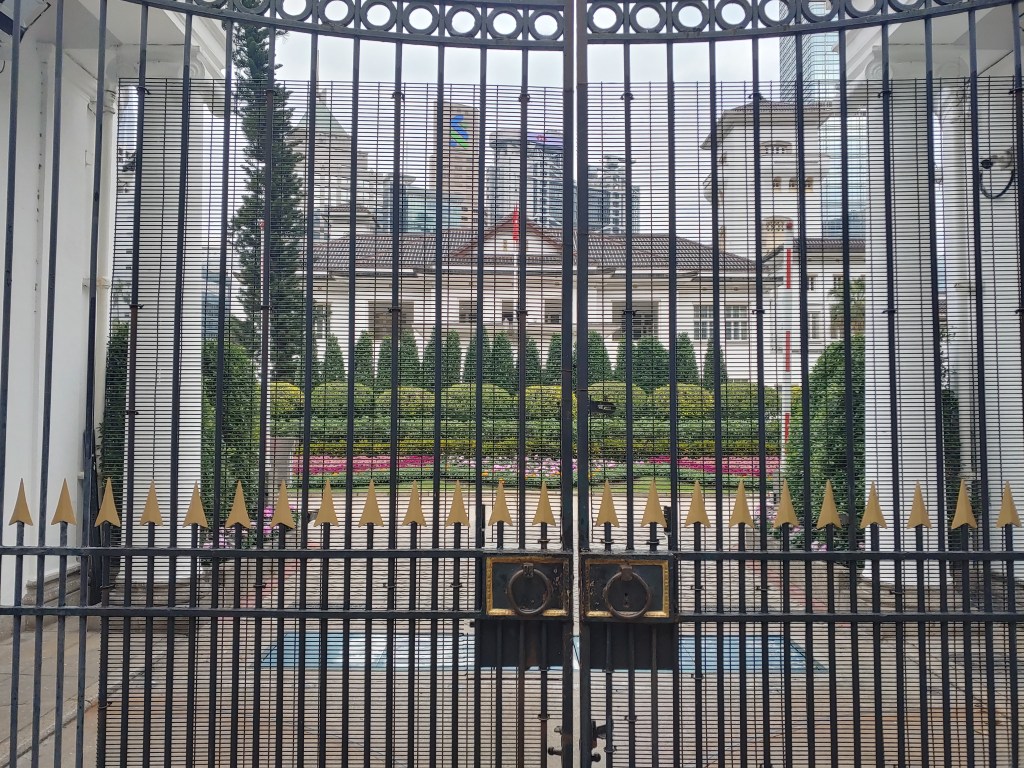
This piece is already running longer than expected, so I’ll close by saying that I genuinely found Hong Kong 香港 to be a captivating and even exhilarating place to visit, with unforgettable food, awe-inspiring vistas, and a unique blend of cultures that is has made distinctly its own, and I can confidently say there is no place on Earth remotely like it. And yet paradoxically, in the wake of neoliberalism, every place on Earth is like Hong Kong 香港: surreal levels of income and wealth inequality, collusion between wealthy interests and government at the expense of public welfare, coupled with a socially corrosive “hustle culture” where many desperately hope to claw their way to the top floor of the imposing corporate monolith, regardless of the suffering it takes to get there or the abject penury it’s built upon.
*Note: Throughout this piece I list the simplified Chinese names for local places and institutions both to practice my Chinese writing and because many English names (e.g. Aberdeen and Victoria Peak) were imposed by the British Empire with no concern for existing local names.
 Menu
Menu 
Leave a comment