What a difference a few days makes. In the past two months, we’ve seen more high-level engagement between US and Chinese officials than we’ve seen in the past couple of years, and it’s come not a moment too soon. Bilateral relations between the world’s two largest economies have been on a consistent downward spiral more or less since former House speaker Nancy Pelosi’s ill-advised trip to Taiwan back in August of 2022, which led to Beijing conducting its largest ever military drills near the island and suspending bilateral dialogues on issues ranging from military affairs to climate change adaptation and mitigation. Meanwhile, Washington has tightened export controls on a number of semiconductor technologies which it has deemed critical to national security, sanctioned multiple Chinese individuals and entities, blocked several Chinese imports on accusations of human rights abuses, and multiple legislators continue their crusade to ban TikTok due to its connections with the Chinese tech firm ByteDance. And if the bilateral relationship was frosty at that point, it was practically dying of hypothermia in the wake of the balloon fiasco which enraptured much of US media and politics for several days before the wayward dirigible was shot down by an F-22, a response which Beijing predictably condemned as “a clear overreaction and a serious violation of international practice.” In this light, the recent flurry of meetings between Chinese and American officials have been both a much-needed respite from the prevailing mutual acrimony and a very reassuring signal for the international community. Given the considerable significance of this recent rapprochement, not a few authors have provided readouts of the individual encounters, however, in this piece, I’d like to take a step back and examine them together in the broader context of contemporary Sino-American relations, fitting them together like pieces in a much larger geopolitical puzzle.
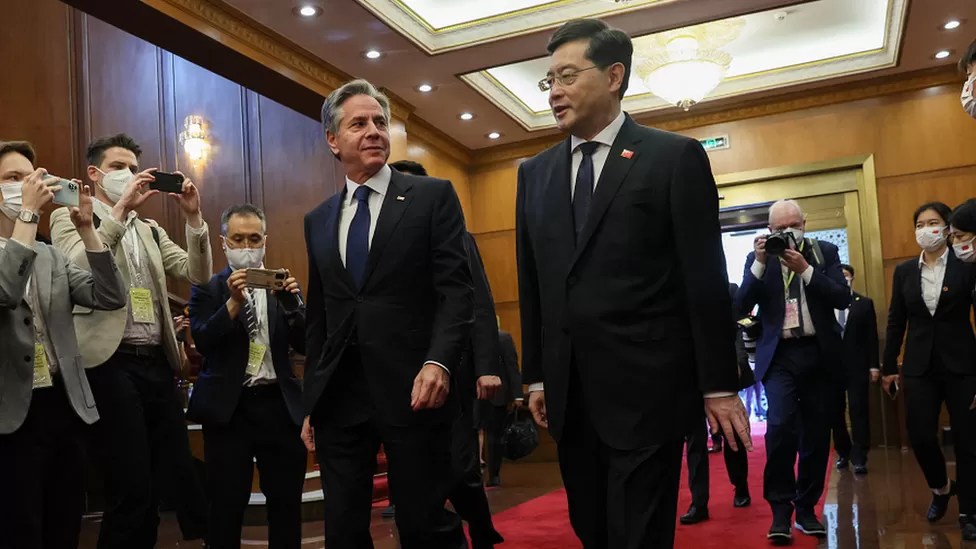
The first and most high profile of these recent meetings was Secretary of State Anthony Blinken’s trip to Beijing from June 18 to 19, during which he met with Chinese President Xi Jinping, CCP Foreign Affairs Director Wang Yi, and Foreign Minister Qin Gang. According to the State Department’s official readout of the trip, the discussions were “candid, substantive, and constructive,” with Secretary Blinken emphasizing Washington’s plans to “compete vigorously” with Beijing and raising the typical issues that have come to define the relationship, including cross-strait tensions with Taiwan, China’s “unfair and nonmarket economic practices,” and human rights issues in Hong Kong, Xinjiang, and Tibet. Notably, however, Blinken also underlined Washington’s desire to enhance cooperation with Beijing “where our interests align,” specifically citing “climate change, global macroeconomic stability, food security, public health, and counter narcotics.” The Chinese readout, meanwhile, largely avoided specific issue areas and instead focused on the need for greater stability in the bilateral relationship, stating that the international community doesn’t want “conflict or confrontation” between the two countries or be forced to pick sides between them, given that “major-country competition does not represent the trend of the times.” President Xi particularly stressed that China has no intentions to “challenge or displace the United States,” and in return, Washington ought to “adopt a rational and pragmatic attitude” so that both sides might “get along based on mutual respect, peaceful coexistence, and win-win cooperation.” One concerning takeaway from these official readouts is that in regard to mutual pain points, they are largely ignoring or talking past one another rather than acknowledging the opposite side’s concerns and laying out a framework towards their mutually agreeable resolution. For instance, the Chinese document made no reference whatsoever to US human rights concerns, which have been shared by numerous nongovernmental human rights organizations, investigative journalists, and the United Nations. Meanwhile, the American statement said nothing about its ongoing illegal tariffs on Chinese goods which have nothing to do whatsoever with these alleged human rights abuses. On the bright side, however, it’s certainly a positive sign that both statements reiterate their respective government’s intentions to maintain open lines of communication and continue dialogue so that some kind of accord can be reached in the future.
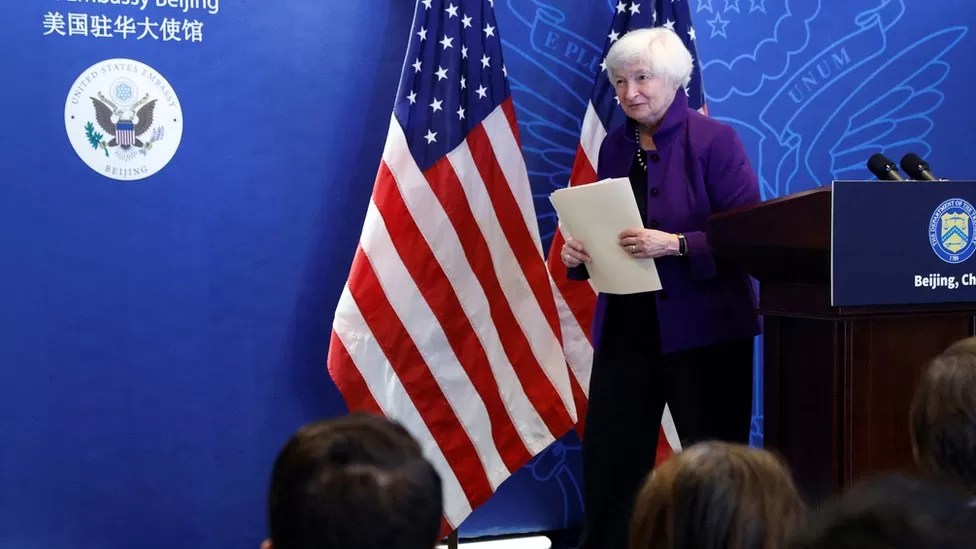
The second recent high-level encounter was Treasury Secretary Janet Yellen’s meetings with Premier Li Keqiang, Vice Premier Liu He, Finance Minister Liu Kun, and PBOC Head Pan Gongsheng from July 7 to 8 in Beijing. In Yellen’s official remarks, she assured her audience that neither she nor President Biden views the bilateral relationship “through the frame of great power conflict,” and in fact, they are working diligently to “stabilize the relationship, reduce the risk of misunderstanding, and discuss areas of cooperation.” Predictably, Yellen’s remarks included many of the same talking points Blinken raised during his time in Beijing, including “China’s unfair economic practices,” cooperation on issues like climate change and sovereign debt sustainability, and Washington’s “targeted actions,” (i.e., sanctions, trade barriers, etc.) aimed at protecting the “national security” of itself and its allies. Unlike Blinken, however, Yellen also acknowledged Chinese concerns by playing down the risk of economic decoupling, saying that Washington only wants to ensure a free and fair global economy, rather than creating one “that is fragmented or forces countries to take sides.” What’s more, the Secretary even congratulated China on its progress in lifting hundreds of millions of people out of poverty and proclaimed that the world “deserves and expects its two largest economies to work together on these global problems and help find solutions,” striking a similar tone to President Xi during his dialogue with Secretary Blinken.
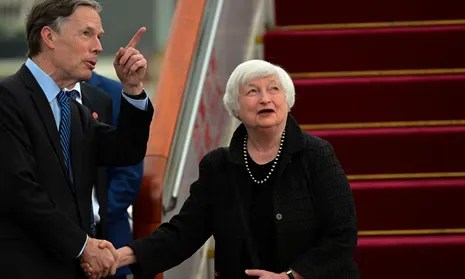
Overall, Yellen summarized the talks as “direct, substantive, and productive,” and an editorial published China’s largest state-owned media outlet Xinhua concurred, lauding the encounter as “candid, pragmatic, in-depth, and constructive.” Yet at the same time, the editorial also described the contemporary atmosphere as the “lowest point of China-US relations since the establishment of diplomatic ties,” chiding Washington for its “habitual double-talk” and “severely poisoning the atmosphere for dialogue,” before proudly concluding that “China never places its destiny in the hands of other countries.” Indeed, although both Secretaries have repeatedly cited climate change as an area of mutual concern suitable for bilateral cooperation, their words are undermined by Washington’s recent decision to block more than 1,000 shipments of Chinese solar panels over allegations of forced labor in Xinjiang, a justification going far beyond the “narrowly scoped” national security concerns Yellen mentioned in her comments. Meanwhile, Beijing’s harassment of American firms operating in China under the thin pretenses of “national security” is a far cry from the “open and sincere communication” which the Xinhua article requests from Washington.
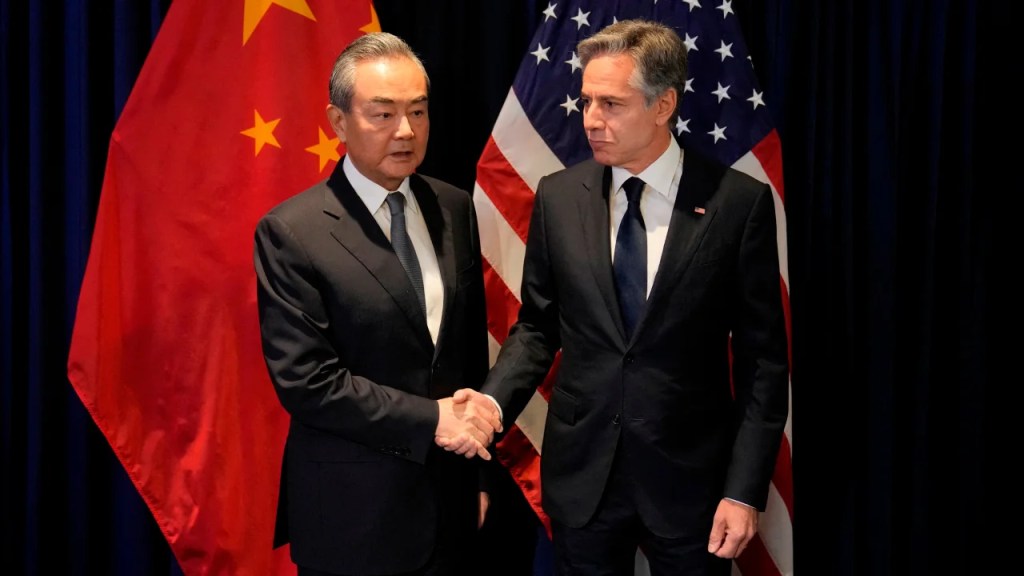
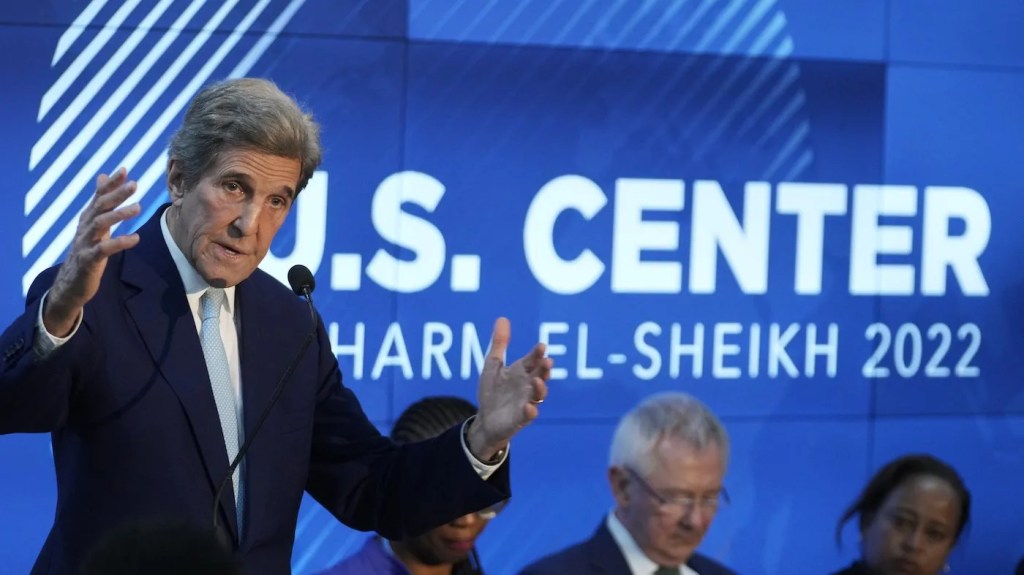
Lastly, but no less important, Secretary Blinken again met with CCP Foreign Affairs Director Wang on the sidelines of the ASEAN Foreign Ministers’ Meeting in Jakarta on July 13, marking the second encounter between the two in less than a month. A State Department spokesperson described the newest round of talks as “candid and constructive,” although the atmosphere was likely made less than candid when Blinken broached the topic of recent Chinese-linked hacking attempts on US government officials, including Commerce Secretary Gina Raimondo who is currently mulling an invitation to visit Beijing in the coming months. Ironically, Wang took the opportunity to chastise Washington to “refrain from wantonly interfering in China’s internal affairs” and “stop suppressing China’s economy.” Cattiness aside, both sides thankfully agreed to maintain communications moving forward, possibly in reference to Special Climate Envoy John Kerry’s planned visit to China later this month – a resumption of dialogue which is long overdue for the world’s two largest emitters of carbon dioxide.
In summary, the recent flurry of high-level meetings between US and Chinese officials represents a welcome departure from the contentious and at times vitriolic tone that has characterized bilateral relations for the past several years, and the breadth of topics discussed suggests that this reset could extend beyond the narrow scope of issues which some more pessimistic analysts had predicted. To be fair, the pessimists are right in saying that these recent meetings are unlikely to achieve big wins for either side in the near future, given the structural differences between Washington and Beijing that are motivating the current era of tensions and rivalry, but unlike the pessimists, I’d argue that this renewed engagement is an end unto itself. After all, the most surefire way the US and China could bumble into an unintended conflict is a lack of regular communication between their respective leaders which puts them both into an information vacuum and facilitates misinterpretation. Although we shouldn’t expect any major diplomatic breakthroughs in the near future, leaders in both countries should continue building on the momentum established during this recent string of meetings and extend it down the chain of command to include rank-and-file officials that can keep ties alive even while the big names attend to other pressing concerns both foreign and domestic. The validity of their other claims aside, Chinese state media is right to say that bilateral relationship is at its lowest point since Nixon’s famous trip to China resuscitated it after decades of nonengagement and mutual animosity. Booking a steady schedule of meeting between US and Chinese officials at all levels of government certainly won’t lead to a diplomatic reset on par with Nixon’s, but much like a married couple, regular communication will help both sides manage their expectations and keep the relationship stable, even if they’re still pining for their old honeymoon days.
 Menu
Menu 
Leave a comment